More Than a Ride
A Story Painted in Color
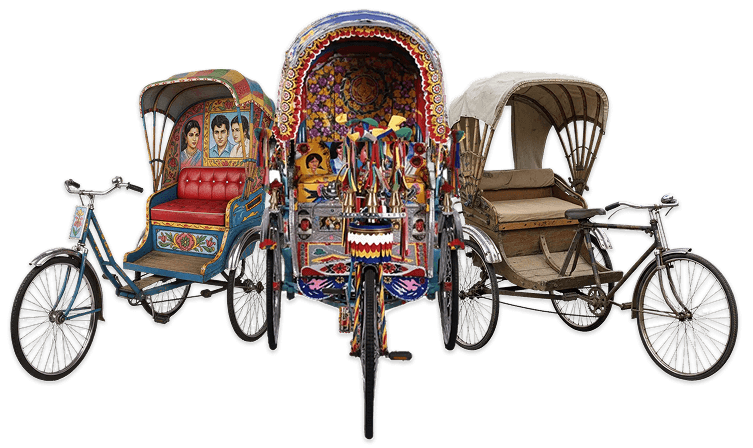
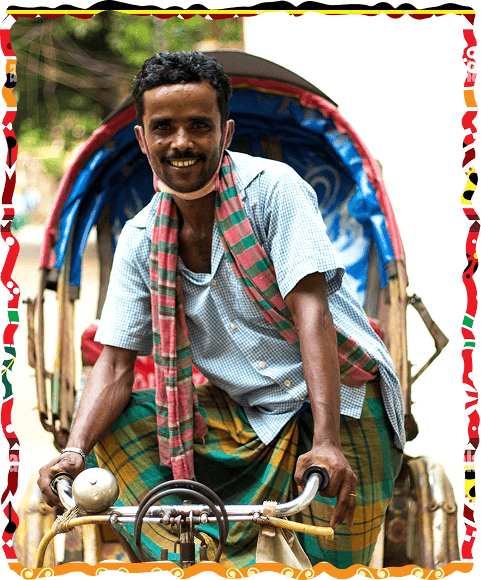
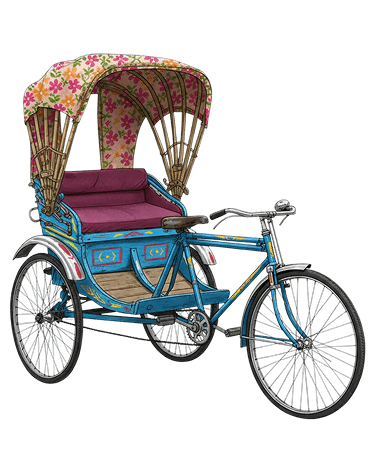
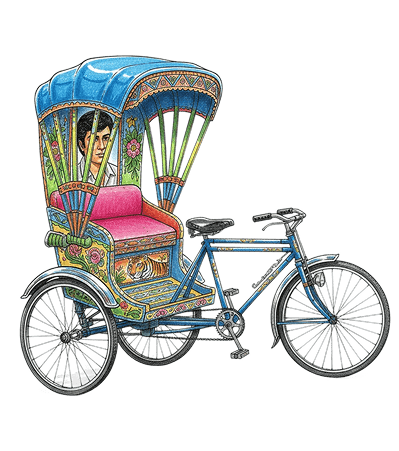
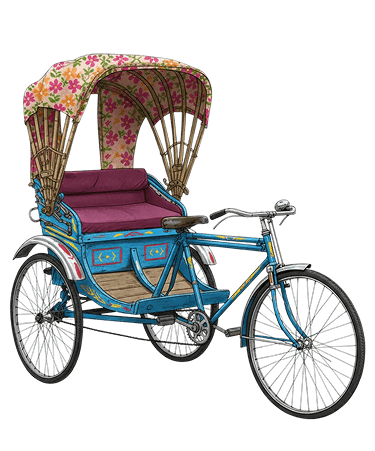
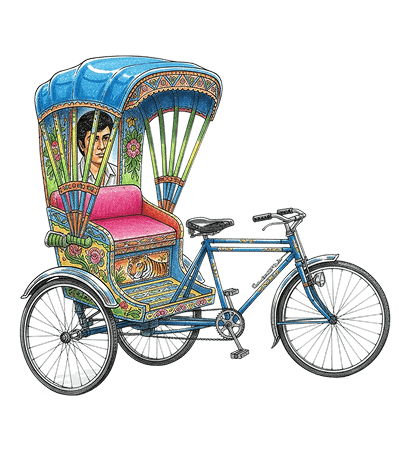
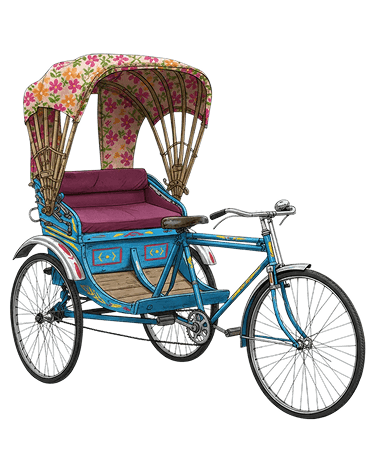
A rickshaw is a mode of transport, with options ranging from human-pulled or cycle rickshaws to auto rickshaws, that is often used for short distances or as a tourist experience. From early mornings to late nights, the rickshaw remains one of the most familiar sights across Bangladesh — lively, colorful, and deeply human.

More Than a Ride
A Story Painted in Color
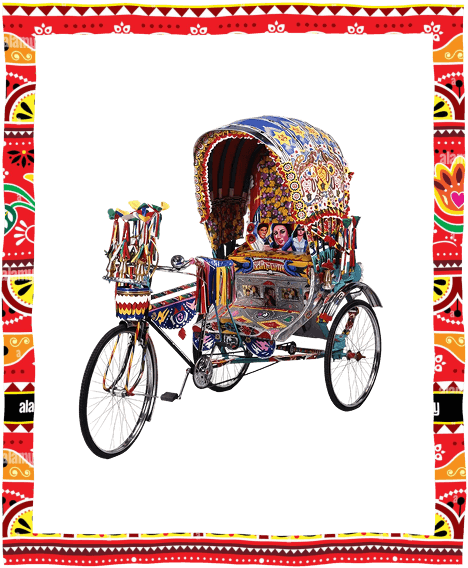
A rickshaw is a mode of transport, with options ranging from human-pulled or cycle rickshaws to auto rickshaws, that is often used for short distances or as a tourist experience. From early mornings to late nights, the rickshaw remains one of the most familiar sights across Bangladesh — lively, colorful, and deeply human.
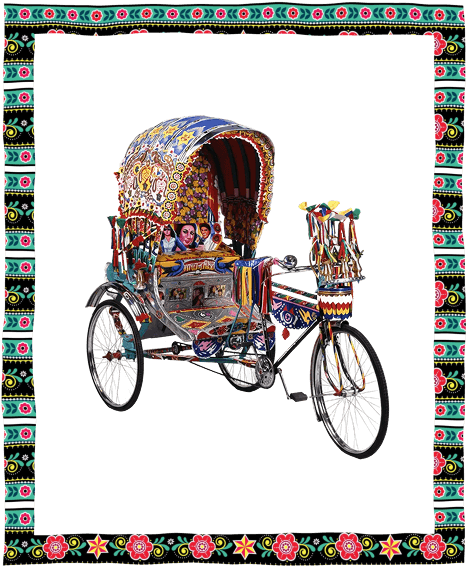
The Rickshaw Makers
Behind every rickshaw lies the passion of painters and
craftsmen who turn metal into moving art.

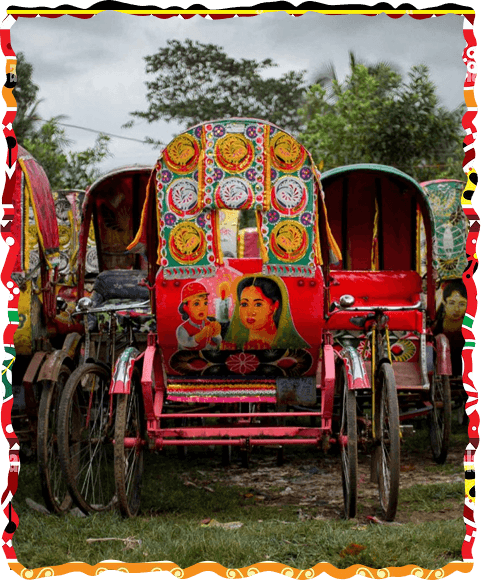
The Rickshaw Artists:
Painters of Motion
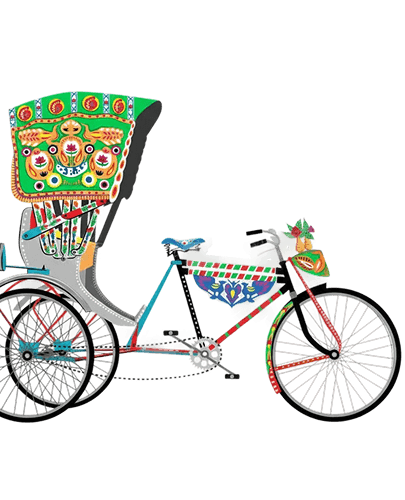
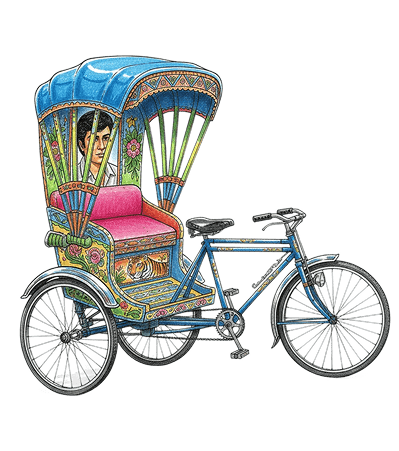
The vibrant paintings on a Bangladeshi rickshaw are more than decoration—they are identity, pride, and storytelling in motion. From romantic movie scenes to tigers, flowers, and dreams of distant lands, every brushstroke reflects the artist’s imagination and connection to the streets of Dhaka. Each artist works in a small, paint-splattered workshop filled with the scent of enamel and the rhythm of hand-beaten tin. These painters don’t just decorate—they narrate Bangladesh’s soul on wheels.
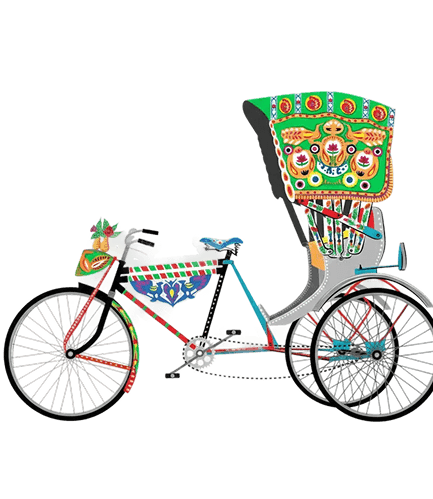
The Rickshaw Builders:
Masters of Craft and Steel
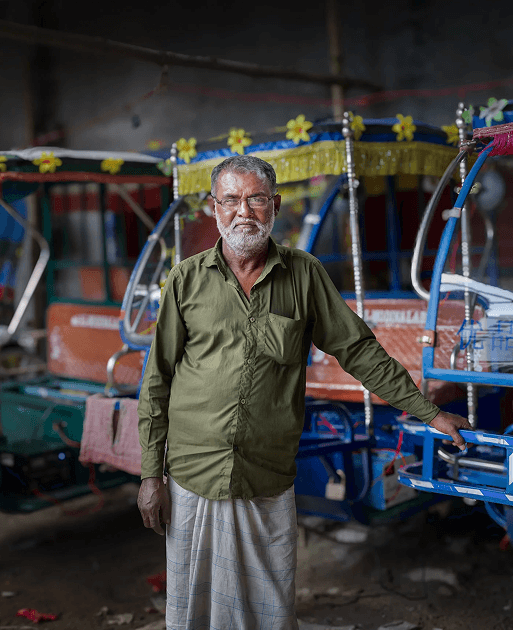
Before the colors come alive, a skeleton of steel and sweat takes shape. The rickshaw builders forge, weld, and assemble each frame by hand—turning metal rods into graceful, sturdy vehicles that define urban Bangladesh. They measure not in millimeters, but in muscle memory and experience. Every bolt is tightened with care; every seat is wrapped in weathered vinyl that will carry countless lives through the buzzing city. These makers are engineers of tradition, crafting a vehicle that’s more than transport—it’s heritage on three wheels.
Rickshaw Facts of Bangladesh
Numbers, art, and culture behind Bangladesh’s most iconic ride.

More Than Meets the Eye
Official records tell one story but the real number of rickshaws moving through Dhaka’s streets is far larger, quieter, and impossible to ignore.
.png&w=96&q=75)
The City’s Rolling Gallery
From bold colors to hand-painted scenes, rickshaws turn everyday travel into moving art shaped by culture, memory, and imagination.
.png&w=96&q=75)
Beauty Comes With Weight
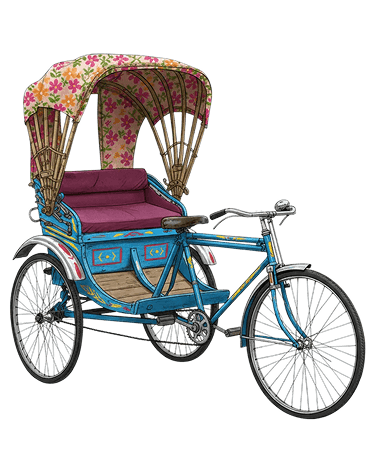
Behind the vibrant hood and high seat is a heavy structure — one that tests balance, strength, and endurance every single ride.
.png&w=96&q=75)
Livelihoods in Motion
Rickshaws don’t just carry passengers — they carry income, responsibility, and survival for millions who depend on the road.
The Electric Shift
As battery-powered rickshaws rise across the city, traditional transport is evolving — faster, quieter, and reshaping urban movement.
Rickshaw Facts of Bangladesh
Numbers, art, and culture behind Bangladesh’s most iconic ride.
More Than Meets the Eye
Official records tell one story but the real number of rickshaws moving through Dhaka’s streets is far larger, quieter, and impossible to ignore.
The City’s Rolling Gallery
From bold colors to hand-painted scenes, rickshaws turn everyday travel into moving art shaped by culture, memory, and imagination.
Beauty Comes With Weight
Behind the vibrant hood and high seat is a heavy structure — one that tests balance, strength, and endurance every single ride.
Livelihoods in Motion
Rickshaws don’t just carry passengers — they carry income, responsibility, and survival for millions who depend on the road.
The Electric Shift
As battery-powered rickshaws rise across the city, traditional transport is evolving — faster, quieter, and reshaping urban movement.
Rickshaw Facts of Bangladesh
Numbers, art, and culture behind Bangladesh’s most iconic ride.

More Than Meets the Eye
Official records tell one story but the real number of rickshaws moving through Dhaka’s streets is far larger, quieter, and impossible to ignore.
.png&w=128&q=75)
The City’s Rolling Gallery
From bold colors to hand-painted scenes, rickshaws turn everyday travel into moving art shaped by culture, memory, and imagination.
.png&w=128&q=75)
Beauty Comes With Weight
Behind the vibrant hood and high seat is a heavy structure — one that tests balance, strength, and endurance every single ride.
.png&w=128&q=75)
Livelihoods in Motion
Rickshaws don’t just carry passengers — they carry income, responsibility, and survival for millions who depend on the road.
The Electric Shift
As battery-powered rickshaws rise across the city, traditional transport is evolving — faster, quieter, and reshaping urban movement.


.png&w=3840&q=75)